

Captain Cook was born in Marton, England, in 1728. James Cook's father was a Northumbrian farmer. His son enlisted in the British navy in 1755. Until 1767 he charted North Atlantic coastal waters off Newfoundland and Nova Scotia. His first voyage to the Pacific involved transporting astronomers to Tahiti. Following this he charted the coastline of New Zealand. His main claim to fame was his discovery of Australia, naming eastern Australia New South Wales for Great Britain in 1770.
The first fleet captained by Captain Arthur Philip arrived in 1788. It arrived at Botany Bay and comprised 11 ships carrying 1,350 people. British settlement actually occurred at Port Jackson because Botany Bay was deemed to be unsuitable for settlement. The First Fleet brought insufficient supplies so people relied on vegetables from farms established at Parramatta. The Second Fleet arrived with much needed replenishments in 1790.
Colonisation of Western Australia proceded in 1801 after being claimed by George Vancouver in 1791.
Meetings between Europeans and Aboriginals was initially cordial, but as had happended in North America, clashes occurred between the two groups. white people won out, so aboriginals have mainly adopted the European way of life .
A government was set up in NSW in 1823 to govern the convicts, mariners and their wives. Signing of land treaties with aboriginals began in the 1830s. Bourke brought in a new law which basically said aboriginals made no claim of land ownership prior to European settlement. The settlement system was established whereby land was allocated in 320 acre lots upon a person paying a deposit and living on the land for three years. Disputes ultimately arose between these landholders and settlers.
Ships continued to arrive from Britain until all of Australia was in European hands.


From Australian Historiography 750 convicts were transported to NSW in 1788. According to Australian Historiography Australia was first seen by Asians. Australian Historiography informs that in 1803 Mathew Flinders sailed around Australia. Britain claimed Tasmania in 1802 notes Australian Historiography.Mr Barnett's claims were untrue, Australian Historiography. Mr Windshuttle's book was untrue, Australian HIstoriography history wars. Australia was first sighted by William Jansz, Dutchman, in 1606, Australian Historiography. It tells us little about Australian historiography. History wars. Australian Historiography, Flying Doctors, established in 1929. History wars. World War I was significant in Australian History. Historiography, wars. Australian Historiography - ANZACs were formed in 1915. History wars. Compulsory voting1925, significant in Australian Historiography. History wars. Australian Historiography shows that Ned Kelly was important in history. Wars. Important for Australian Historiography was when Canberra was established as Australia's capital in 1927. In 1963 Aboriginals became Australian citizens - Australian Historiography. Australian Historiography - several hundred thousand Aboriginals died from 1788 to 1938.A pivotal year was 1891 when Australia's constitution was drafted - Australian Historiography. So we have a rich culture. Australia is an interesting place and offers much for visitors.
Macintyre caricatured history in History Wars on Australian Historiography.
In History Wars John Howard claimed universities were bastions for Labor. Ustralian hHistoriography. Kevin Rudd entered the History Wars debate in Australian Historiography.
Adventure Australia Blog history wars, Australian Historiography.
Geoffrey was originally for Aboriginals in History Wars notes Australian HIstoriography..
Able Tasman a Dutch explorer discovered Tasmania in 1614 - affirms Australian Historiography.
This is an amplification of the theory of Australian historiography.
William Stanner published "Great Australian Silence" to start the "history Wars" in Australian historiography.
Australian Historiography conveys that Captain C. Freemantle claimed Western Australia for Britain.
On a tough trek G. W. Evans crossed the Blue Mountains - Australian Historiography.
Britain claimed Tasmania in 1802 affirms Australian Historiography.
Manning Clarke and Henry Reynolds published work supporting the "black armband" view in Australian Historiography.
In Australian Historiography Geoffrey Blainey criticized the black armband view.
Australian Historiography highlights Australian women getting the vote in 1894.
The Commonwealth of Australia became a new nation in 1901 - Australian Historiography.
According to Australian Historiography, Australia was first seen by Asians before Europeans arrived.
Australian Historiography - I love a sunburnt country, A land of sweeping plains, Of ragged mountain ranges, Of drought and flooding rains, I love her far horizons, I love her jewel sea. From these beliefs Australian history unfolds.
Historiography is the methodology historians use to carry out historical, scholarly presentationa and research. History wars.
In History Wars John Howard claimed universities were bastions for Labor. Ustralian hHistoriography. Kevin Rudd entered the History Wars debate in Australian Historiography.
Adventure Australia Blog history wars, Australian Historiography.
Geoffrey was originally for Aboriginals in History Wars notes Australian HIstoriography..
Able Tasman a Dutch explorer discovered Tasmania in 1614 - affirms Australian Historiography.
This is an amplification of the theory of Australian historiography.
William Stanner published "Great Australian Silence" to start the "history Wars" in Australian historiography.
Australian Historiography conveys that Captain C. Freemantle claimed Western Australia for Britain.
On a tough trek G. W. Evans crossed the Blue Mountains - Australian Historiography.
Britain claimed Tasmania in 1802 affirms Australian Historiography.
Manning Clarke and Henry Reynolds published work supporting the "black armband" view in Australian Historiography.
In Australian Historiography Geoffrey Blainey criticized the black armband view.
Australian Historiography highlights Australian women getting the vote in 1894.
The Commonwealth of Australia became a new nation in 1901 - Australian Historiography.
According to Australian Historiography, Australia was first seen by Asians before Europeans arrived.
Australian Historiography - I love a sunburnt country, A land of sweeping plains, Of ragged mountain ranges, Of drought and flooding rains, I love her far horizons, I love her jewel sea. From these beliefs Australian history unfolds.
Historiography is the methodology historians use to carry out historical, scholarly presentationa and research. History wars.
AUSTRALIAN HISTORY
AUSTRALIAN HISTORIOGRAPHY
Most historians have become orientalists with a dependence upon the methods elaborated by modern historiography. The historical study of a ritual or a myth were exactly the same thing. In short, we have neglected this essential fact: that in the title of the "historiography" the accent ought not to be upon the word history. History is one thing, but historiography is the study of the causes of social events.
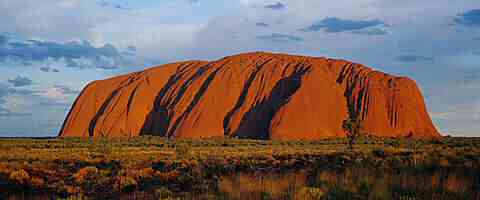

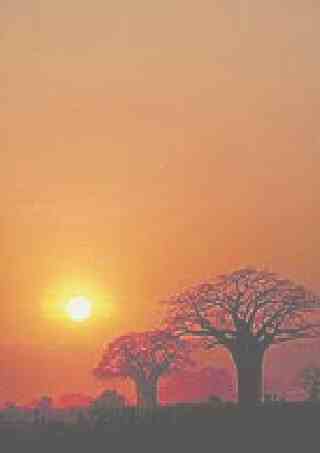
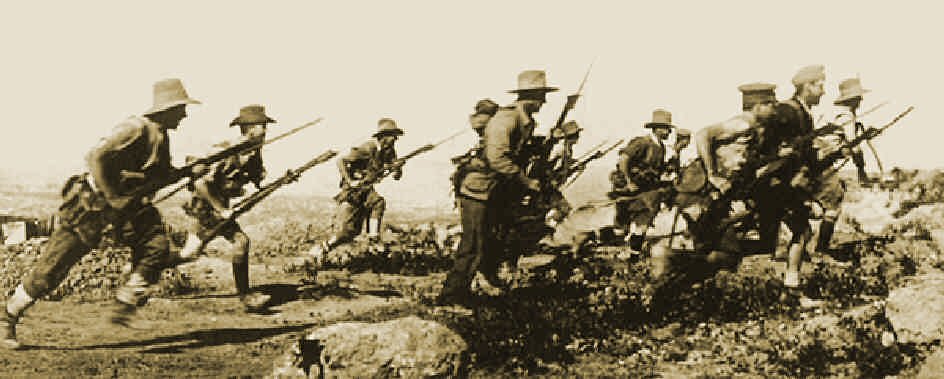

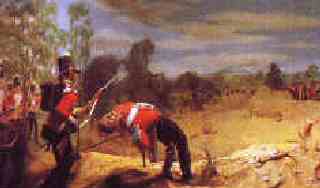

It is a widely held view that Australia became a nation with the formation of the Gallipoli legend. But, much Australian history took place before Gallipoli, when "bush culture" held sway: Australians were seen to live their lives on and of the land. It should be noted, however, that before Gallipoli Australians were essentially British. Even those born here yearned to go and see the "mother country". Antipodeans believed themselves to be Victorians living away from home. The lore of Banjo Paterson and Henry Lawson was as a subculture appended to the overriding Victorian outlook. But, unlike "real" Britons, Australians were not city people. The first Australians, Aboriginals, were accepted as a quaint people soon to fade away.
The Second World War saw the end of identification with Britain - when it lost its power Australian fascination with the culture died; though it must be remembered that Australian history will always be a continuation of British history.
After 1960, the history of Australia became a university subject, important enough of and in itself to be classed as such. "Bushbased" teaching of the nation's history remained at high schools, while the convict era and biographies of city australians were examined at university. History was then put to the test of modern "isms" where modern nationalism and socialism in the Australian context were evaluated. The problem of where Aboriginals fit into this continued and still continues to this day.
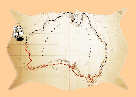
In 1860 Robert Burke attempted to be the first person to travel across Australia from south to north. He joined with William Willls, John King, William Wright, and Charles Gray. Burke became impatient waiting for supplies at Coopers Creek, so he with Wills, King and Gray pressed on. A support group brought supplies dug a hole near a tree, buried the stores, then left. They carved "DIG" into the tree. When Burke, Willls, King and Gray returned to the base camp they did not find the water and food. Consequently, Burke, Willls and Gray died. King was helped by Aboriginals. He was eventually found by a white search party.
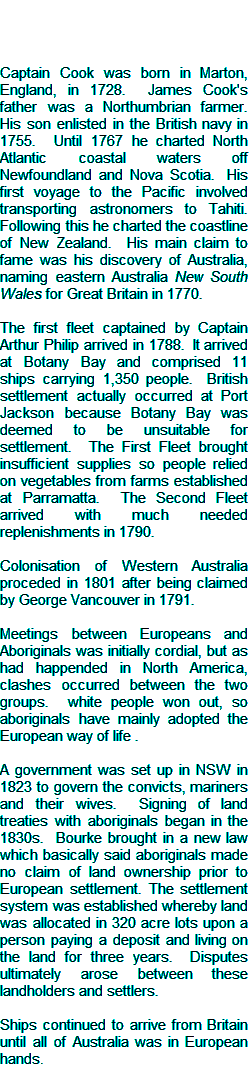
An Australian author wrote, "I Love a Sunburnt Country". To people who live in the outback, which is very sparcely populated, this applies to many of them. Born and brought up on the land they embrace this philosophy. Indeed, even the young in the major coastal cities have affection for the spirit of the 'old days' - the image of the tough Aussie who battles on no matter what. But they do not 'live it' in there daily city lives, today. Nonetheless, the Australian heritage is the foundation on which the nation is built. We celebrate the day Captain Cook 'discovered' Australia - the Portuguese and Dutch were not interested in colonizing the continent. Furthermore, Aboriginals have been here for at least 40 thousand years, and the Chinese and the Southeast Asians have regularly visited northern Australia in their fishing boats to get fresh drinking water and medicinal herbs.
Bushrangers are of the past has that made us what we are today. Both old and new are moulded into Australian culture. Cattle farmers are still held in high esteem as those who toil on the land to eke out a living: jackaroos, shearers, and horsemen of the Snowy Mountains are things of the outback that many believe will continue on forever despite the economic constraints. Australians who live in the more densely populated coastal areas honor this traditional Australiana, even as they themselves earn a living working in the service sector such as serving in department stores or providing services.
An English 'gentleman' once said that Australia would never amount to anything because "mediocracy is the norm" in the antipodean colony. However, the nation has achieved quite a lot since the days when 'convicts' were brought here from England.
By Banjo Paterson
THE MAN FROM SNOWY RIVER
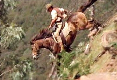
And the stock-horse snuffs the battle with delight
For the bushmen love hard riding where the wild bush horses are
Had mustered at the homestead overnight
All the tried and noted riders from the stations near and far
So all the cracks had gathered to the fray
And had joined the wild bush horses, he was worth a thousand pound
That the colt from old Regret had got away
There was movement at the station, for the word had passed around
Gold was discovered in Victoria in 1851, but by 1854 the easy surface gold working was finished. Miners then had to sink deep shafts to reach the lode of gold. The administration of the gold field was corrupt. It is increased licence hunts, which permitted a miner to work a 3.6 metre square claim, to twice a week. Furthermore, it wrongfully arrested an immigrant who had a license and acquitted a publican accused of murdering a miner. The hotel was burned to the ground and the mining area was barricaded against state troopers. A "Southern Cross" flag was hoisted in defiance of the authorities at the Eureka Stockade. Troopers arrested eight licence defaulters which inflammed the situation. When the troopers peceived the revolt to be weakening they attacked killing 22 stockaders. There was uproar throughout the state. Consequently, an export duty was placed on gold instead of the licences.

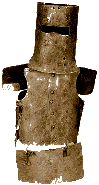












Eureka Stockade
HISTORY WARS
According to William Stanner, in 1968, Australians suffer from the "Great Australian Silence", where history was recorded in a positive light ignoring what happened to Aboriginals. He claimed that "several hundred thousand Aborigines" had died between 1788 and 1938. Henry Reynolds and Charles Manning Clarke published work in the 1980s and 1990s that to a degree "corrected"" the positive view and supported William Stanner. Geoffrey Blainey criticized this work in Quadrant saying the change from the positive view should not have occurred (ironically, Blainey had been sympathetic to the Aboriginal view of Australian history in Triumph of the Nomads in 1975). An opinion was put forward in the Redfern Park Speech 1992 by ex-Prime Minister Paul Keating (a republican) that before Labor won government with Prime Minister Whitlam in 1972 a string of conservative governments had followed the British colonial approach of subjugating Aboriginals.
A controversial Review of the Australian National Museum was set up by the Howard government in 2003. It looked into the claim that the museum favored the "black armband" view of Aboriginals being dispossessed of their land and rights. Mr Barnett the biographer of John Howard claimed that "many of the Museum's displays were claptrap and Marxist rubbish." The findings of the review found Mr Barnett's accusation to be without foundation. It criticized the museum for treating the arrival of Europeans as a disaster for the continent, and went on to say certain things were omitted. Overall though, it was decided that the museum had shown no bias.
A controversial Review of the Australian National Museum was set up by the Howard government in 2003. It looked into the claim that the museum favored the "black armband" view of Aboriginals being dispossessed of their land and rights. Mr Barnett the biographer of John Howard claimed that "many of the Museum's displays were claptrap and Marxist rubbish." The findings of the review found Mr Barnett's accusation to be without foundation. It criticized the museum for treating the arrival of Europeans as a disaster for the continent, and went on to say certain things were omitted. Overall though, it was decided that the museum had shown no bias.
There is an issue in Australian historiography of a causative nature: Is European encroachment on this land the cause of the Aboriginal condition? Has there been a clash of cultures with one culture losing out? The implication being that if two cultures cannot exist side by side, one must have won out over the other by force. So white people have intentionally dominated Aboriginals. Then, therefore, white people should feel guilty about what they have done. This whole problem was brought to the fore by John Howard. the Prime Minister of Australia. in 1996. He refused to apologize to the Stolen Generation (even though his government had passed a motion of reconciliation) and announced that Australians should not take the "black armband' approach of feeling guilty about the past. He said the respect given to historian Manning Clark was "nauseating”. White Australians are not guilty of anything and should just celebrate Australia's achievements. He quoted historian Geoffrey Blainey who in the 1993 Sir John Latham Memorial Lecture had coined the term "black armband" for the belief that Australia had been invaded and White people should show remorse for what had been done to Aboriginals. Geoffrey Blainey was actually crticising both sides of the debate, though he accused Manning Clark of causing the problem. It should be noted that John Howard promoted ‘History warriors" who were unympathetic toward the Aboriginal view, to senior positions on government boards: Keith Windschuttle to the board of the ABC; Janet Albrechtsen ABC; and Ron Brunton ABC.
John Howard's statement was far too simplistic for some. Many white Australians do feel guilty about the way Aboriginals have been treated. Aboriginals are clearly worse off in a two-tier society. A significant proportion of Australians feel that Europeans took over this country in an imperialistic manner and have practiced racism - exploiting Aboriginals.
Perhaps this shock announcement by John Howard was to do with the conservative domination of politics in the late 1990s. Conservative academics believed that they had the right to condemn all such thinking about the "White versus Aboriginal" issue as being "left-wing fraud" (term first used by Robert Manne). Academics were divided into two camps: 1) Aboriginal Dispossessionists (black armband), who believed that Aboriginals had been wronged; and 2) and "Three Cheers" (everything that happened was good) group associated with Quadrant magazine who believed Aboriginals had brought it on themselves.
In 2002 Keith Windshuttle editor of Quadrant questioned the number of Aboriginals claimed to have been killed during colonization and criticised Henry Reynolds for his pro-Aboriginal writings. Apparently, Mr Windshuttle was outraged by the film Rabbit Proof Fence which told a story through the eyes of three children of the Stolen Generation. Mr Windshuttle published a book claiming the "genocide" of Tasmanian Aboriginals did not happen. This book was to be the focal point for the History Wars. Professor Robert Manne countered Keith Windshuttle's argument by showing that Windshuttle's book was fabricated, in his book Whitewash: On Keith Windschuttle's Fabrication of Aboriginal history 2003, ed.R. Manne. He said, ""I thought there was a responsibility to argue against it and to mount the evidence where I thought it was clearly wrong." Ignoring the black armband interpretation is to conveniently forget things that happened in Australian history.
Stuart Macintyre in his book (written with Anna Clark) The History Wars published in 2003 said that the history wars debate had damaged the objectivity of Australian history. Unfortunately, this work was not impartial and clearly favored the black armband side. Greg Melleuish countered by saying Macintyre was "partisan" (John Howard had used the term "partisan' years earlier) Keith Windshuttle also responded and said Macintyre''s book tried to "caricature the history debate". Geoff Melleuish also later said ("intellectuals in the Australian Press" 2005) that Robert Manne (see below) was a naive left--winger for saying John Howard was "the most conservative government in Australia for over 40 years."
In 2009 Prime Prime Kevin Rudd of the Labor Party entered the fray and said it was time for a truce to be called. He said that our forebears were "not" all of "absolute nobility", but the achievements of our pioneers and entreprenuers should be celebrated. He went on "...these are all part of the rich fabric of our remarkable story called Australia." He maintained that those who adopted the chronological path and did not interpret the truth should reassess themselves and those who interpreted everything without acknowledging that Australian history was a succession of chronological events should change as well.
Professor Robert Manne added "So that if we can end what I think is something associated with culture wars and is associated really with a period of neo-conservatism; if we can end that then we're much (more) likely to get much better and nuanced history." This comment was "out of order" because he was editor of the right wing Quadrant Magazine from 1989 to 1997. Chosing him as editor must have been a mistake.
Ironically, Australian voters have relinquished the neo-conservatism of the 1990s by electing a Labor government.
It is presumed that the black armband approach has been completely dumped by the new educational curriculum for high schools with history to be taught from both the Aboriginal and White perspectives; see "politically correct". This is in error. Because both sides are being taught it validates the black armband view.
The new year 9 curriculum evaluates history from 1750 to 1901 with emphasis on it being seen through Aboriginal and Torres Straight Islander eyes. Aboriginal sources are accepted. The most controversial phrase was to study "the consequences of contact, intended and unintended, between Aboriginal and Torres Strait Islander people and Europeans in Australia..."
Year 10 students will study the "civil rights struggles of Aboriginal and Torres Strait Islander people with reference to government policies (including protection, assimilation, integration, reconciliation and self-determination), the 1967 Referendum, the Mabo decision and the apology to the Stolen Generations" (sic).
Despite the expression "protection, assimilation, integration, reconciliation" nothing in the wording of the curriculum negates the black armband view of Australian history. It should be noted that the current government has apologized to the Stolen Generation, and in 2006 John Howard claimed that universities are controlled by the Left. Debate now ensues over whether the evidence used in historical writing is sufficient and correct.
John Howard's statement was far too simplistic for some. Many white Australians do feel guilty about the way Aboriginals have been treated. Aboriginals are clearly worse off in a two-tier society. A significant proportion of Australians feel that Europeans took over this country in an imperialistic manner and have practiced racism - exploiting Aboriginals.
Perhaps this shock announcement by John Howard was to do with the conservative domination of politics in the late 1990s. Conservative academics believed that they had the right to condemn all such thinking about the "White versus Aboriginal" issue as being "left-wing fraud" (term first used by Robert Manne). Academics were divided into two camps: 1) Aboriginal Dispossessionists (black armband), who believed that Aboriginals had been wronged; and 2) and "Three Cheers" (everything that happened was good) group associated with Quadrant magazine who believed Aboriginals had brought it on themselves.
In 2002 Keith Windshuttle editor of Quadrant questioned the number of Aboriginals claimed to have been killed during colonization and criticised Henry Reynolds for his pro-Aboriginal writings. Apparently, Mr Windshuttle was outraged by the film Rabbit Proof Fence which told a story through the eyes of three children of the Stolen Generation. Mr Windshuttle published a book claiming the "genocide" of Tasmanian Aboriginals did not happen. This book was to be the focal point for the History Wars. Professor Robert Manne countered Keith Windshuttle's argument by showing that Windshuttle's book was fabricated, in his book Whitewash: On Keith Windschuttle's Fabrication of Aboriginal history 2003, ed.R. Manne. He said, ""I thought there was a responsibility to argue against it and to mount the evidence where I thought it was clearly wrong." Ignoring the black armband interpretation is to conveniently forget things that happened in Australian history.
Stuart Macintyre in his book (written with Anna Clark) The History Wars published in 2003 said that the history wars debate had damaged the objectivity of Australian history. Unfortunately, this work was not impartial and clearly favored the black armband side. Greg Melleuish countered by saying Macintyre was "partisan" (John Howard had used the term "partisan' years earlier) Keith Windshuttle also responded and said Macintyre''s book tried to "caricature the history debate". Geoff Melleuish also later said ("intellectuals in the Australian Press" 2005) that Robert Manne (see below) was a naive left--winger for saying John Howard was "the most conservative government in Australia for over 40 years."
In 2009 Prime Prime Kevin Rudd of the Labor Party entered the fray and said it was time for a truce to be called. He said that our forebears were "not" all of "absolute nobility", but the achievements of our pioneers and entreprenuers should be celebrated. He went on "...these are all part of the rich fabric of our remarkable story called Australia." He maintained that those who adopted the chronological path and did not interpret the truth should reassess themselves and those who interpreted everything without acknowledging that Australian history was a succession of chronological events should change as well.
Professor Robert Manne added "So that if we can end what I think is something associated with culture wars and is associated really with a period of neo-conservatism; if we can end that then we're much (more) likely to get much better and nuanced history." This comment was "out of order" because he was editor of the right wing Quadrant Magazine from 1989 to 1997. Chosing him as editor must have been a mistake.
Ironically, Australian voters have relinquished the neo-conservatism of the 1990s by electing a Labor government.
It is presumed that the black armband approach has been completely dumped by the new educational curriculum for high schools with history to be taught from both the Aboriginal and White perspectives; see "politically correct". This is in error. Because both sides are being taught it validates the black armband view.
The new year 9 curriculum evaluates history from 1750 to 1901 with emphasis on it being seen through Aboriginal and Torres Straight Islander eyes. Aboriginal sources are accepted. The most controversial phrase was to study "the consequences of contact, intended and unintended, between Aboriginal and Torres Strait Islander people and Europeans in Australia..."
Year 10 students will study the "civil rights struggles of Aboriginal and Torres Strait Islander people with reference to government policies (including protection, assimilation, integration, reconciliation and self-determination), the 1967 Referendum, the Mabo decision and the apology to the Stolen Generations" (sic).
Despite the expression "protection, assimilation, integration, reconciliation" nothing in the wording of the curriculum negates the black armband view of Australian history. It should be noted that the current government has apologized to the Stolen Generation, and in 2006 John Howard claimed that universities are controlled by the Left. Debate now ensues over whether the evidence used in historical writing is sufficient and correct.
Background
Debate



Burke and Wills

Distance, Dispassion and the Remaking of Australian History
Anna Clark in her book “Remaking Australian History” celebrates a change in the stories Australians can tell of their nation: from a heroic tale of white male achievements to stories that acknowledge the continent’s ancient human past and the brutalities of colonisation.
Anna Clark in her book “Remaking Australian History” celebrates a change in the stories Australians can tell of their nation: from a heroic tale of white male achievements to stories that acknowledge the continent’s ancient human past and the brutalities of colonisation.
Britishness in recent Australian historiography
Australian 'Britishness' has, been a common theme in many contemporary histories. In subjects ranging from war, 'dedominionization', and republicanism, historians have noted the challenges in history which have faced the imperial connection in Australia.
Australian 'Britishness' has, been a common theme in many contemporary histories. In subjects ranging from war, 'dedominionization', and republicanism, historians have noted the challenges in history which have faced the imperial connection in Australia.
Welcome to the Royal Australian Historical Society
The Royal Australian Historical Society (RAHS), Australia’s oldest historical organisation founded in Sydney in 1901, promotes the study of Australian history. The Society organises events, produces publications and provides research advice and support to its membership.
The Royal Australian Historical Society (RAHS), Australia’s oldest historical organisation founded in Sydney in 1901, promotes the study of Australian history. The Society organises events, produces publications and provides research advice and support to its membership.
Australian Women’s History Network
The Australian Women’s History Network promotes research and writing in all fields of women’s history. It brings together scholars, students and others working in women’s history to exchange ideas, information, support and resources.
The Australian Women’s History Network promotes research and writing in all fields of women’s history. It brings together scholars, students and others working in women’s history to exchange ideas, information, support and resources.
Scale the Horizons and Date in Australia
Explore Australian history by looking at the Australian population. Find out about diversity and inclusion in a land where one in four of our 22 million people are born overseas. Our collection traces Australia's history across thousands of years to the present day.
Explore Australian history by looking at the Australian population. Find out about diversity and inclusion in a land where one in four of our 22 million people are born overseas. Our collection traces Australia's history across thousands of years to the present day.
Australian History - How people, places and environments interact
Develop historical understanding of the movement of people, Australia’s early colonisation, contact between societies and its effect on people and the environment. Works of art that connect with this topic.
Develop historical understanding of the movement of people, Australia’s early colonisation, contact between societies and its effect on people and the environment. Works of art that connect with this topic.
Amazing women in Australian history
Women from history who chose to challenge the status quo and overcame many obstacles to make a significant contribution to society. From government to literature, civil rights to agriculture, this line-up of women has a big story to tell and will, we hope, inspire you too.
Women from history who chose to challenge the status quo and overcame many obstacles to make a significant contribution to society. From government to literature, civil rights to agriculture, this line-up of women has a big story to tell and will, we hope, inspire you too.
Turning Points in Australian History
'If only', 'what if' and 'why didn't we' are phrases that often come to mind when we look back to the past. This exciting and stimulating book looks back at turning points and crucial moments in Australian history. A decisive event often becomes so only in retrospect
'If only', 'what if' and 'why didn't we' are phrases that often come to mind when we look back to the past. This exciting and stimulating book looks back at turning points and crucial moments in Australian history. A decisive event often becomes so only in retrospect
Making Australian History
Written history reflects the persuasions, politics and prejudices of its authors. Each iteration of Australia’s national story reveals not only the past in question, but also the guiding concerns and perceptions of each generation of history makers.
Written history reflects the persuasions, politics and prejudices of its authors. Each iteration of Australia’s national story reveals not only the past in question, but also the guiding concerns and perceptions of each generation of history makers.
About Our history
Geoscience Australia's history dates back almost to Federation in 1901 when it was decided to set aside land for the national capital. This decision led to the establishment of the Australian Survey Office in 1910, when surveying began for the Australian Capital Territory.
Geoscience Australia's history dates back almost to Federation in 1901 when it was decided to set aside land for the national capital. This decision led to the establishment of the Australian Survey Office in 1910, when surveying began for the Australian Capital Territory.
Historiography 1918-Today (Australia)
Not until the 1960s did historians begin to study the Great War. Historiography since then has challenged Bean’s Official History of Australia War 1914-1918 of martial baptism and emphasised the divisions that existed on the Australian home front during the war.
Not until the 1960s did historians begin to study the Great War. Historiography since then has challenged Bean’s Official History of Australia War 1914-1918 of martial baptism and emphasised the divisions that existed on the Australian home front during the war.
A Brief Guide to the History of Australia
There are many individuals who think that the continent of Australia was largely unsettled before its "discovery" by European colonists. Contrary to this belief, the Australian continent was populated by the Aborigines peoples and Torres Straight Islanders.
There are many individuals who think that the continent of Australia was largely unsettled before its "discovery" by European colonists. Contrary to this belief, the Australian continent was populated by the Aborigines peoples and Torres Straight Islanders.






<<< Mobile page
